2020
Hydropower
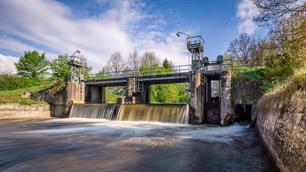
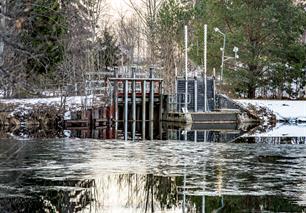
Europe’s rivers are among the most altered ecosystems on Earth, and most are not in good ecological condition. Hydropower – especially small-scale installations – places disproportionate pressure on rivers, reducing their resilience and ability to sustain wildlife.
See following summary of EAA Position Paper on (small-scale) hydropower installations.
The full position paper, including notes and references, can be downloaded below.
- No new hydropower plants should be installed in European rivers; impacts on aquatic ecosystems, flora and fauna are severe—especially unacceptable in protected areas.
- Reduce the number of plants and dams and implement robust mitigation (effective fish protection and fully functional fish passes) to halt biodiversity loss.
- Fewer hydropower installations are essential for Member States to comply with the Water Framework Directive, Birds and Habitats Directives, and the 2027 ecological status deadline.
- Calling hydropower “green energy” is misleading: while renewable, its ecological damage can exceed climate impacts and weakens climate resilience of rivers
- Small hydropower delivers negligible energy but causes major damage: ~91% of EU plants (<10 MW) produce ~2.1% of renewable electricity (<0.4% of total EU energy); adding thousands more yields minimal gains with
- Best sites are already used: new projects have lower energy return on investment and higher environmental costs.
- Small plants are less efficient and more damaging per unit of energy than larger installations.
- Cumulative impacts grow exponentially, especially where rivers already host hydropower—or even in pristine systems.
- Protect remaining free-flowing rivers as hydropower “no-go” zones; restore at least 25,000 km of EU rivers to free-flowing condition by 2030.
- Perpetual permits are unacceptable; time-limited permits are needed to enable removal where installations are no