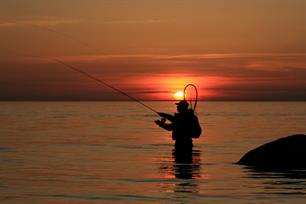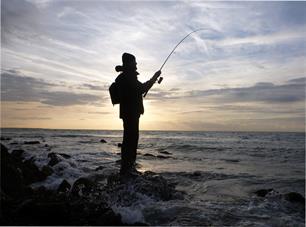
For recreational fishers, ministers agreed to reduce the bag limit to one cod per day, a drastic cut compared to the 5 cod bag limit established last year. This will hit the angling tourism sector with sharp losses of income for charter boats, the measures appear though to be justified concerning the condition of the stock. The European Anglers Alliance states that economic support measures for the sector should however be implemented. A closed season is also introduced from 15 January until 31 March during the spawning period.
As regards salmon in the main basin, ICES advised for a zero TAC, both for commercial and recreational fisheries. ICES however advised that spatial-temporal management could be implemented, allowing for some fishing opportunities, up to 75,000 salmon. For 2022, the Council agreed to reduce the TAC by 32% to 63,811 salmon. It phases out commercial fishing at sea and only the northern coastal fishery with a catch based mostly on strong river stocks will continue. For recreational fishers at sea (trolling fishers), ministers agreed to introduce a bag limit of one fin-clipped salmon per day.
Reactions from EAA members:
Deutscher Angelfischerverband e.V. (Germany): Fishing opportunities for cod and salmon will be severely restricted in the Baltic Sea in 2022
Sportfiskarna (Sweden): Sport fishing for cod and salmon is more tightly regulated
Danmarks Sportsfiskerforbund (Denmark): New rules for fishing in the Baltic Sea from 2022: 1 cod and 1 fat fin-cut salmon per day